Why Australia became a global star in coffee culture
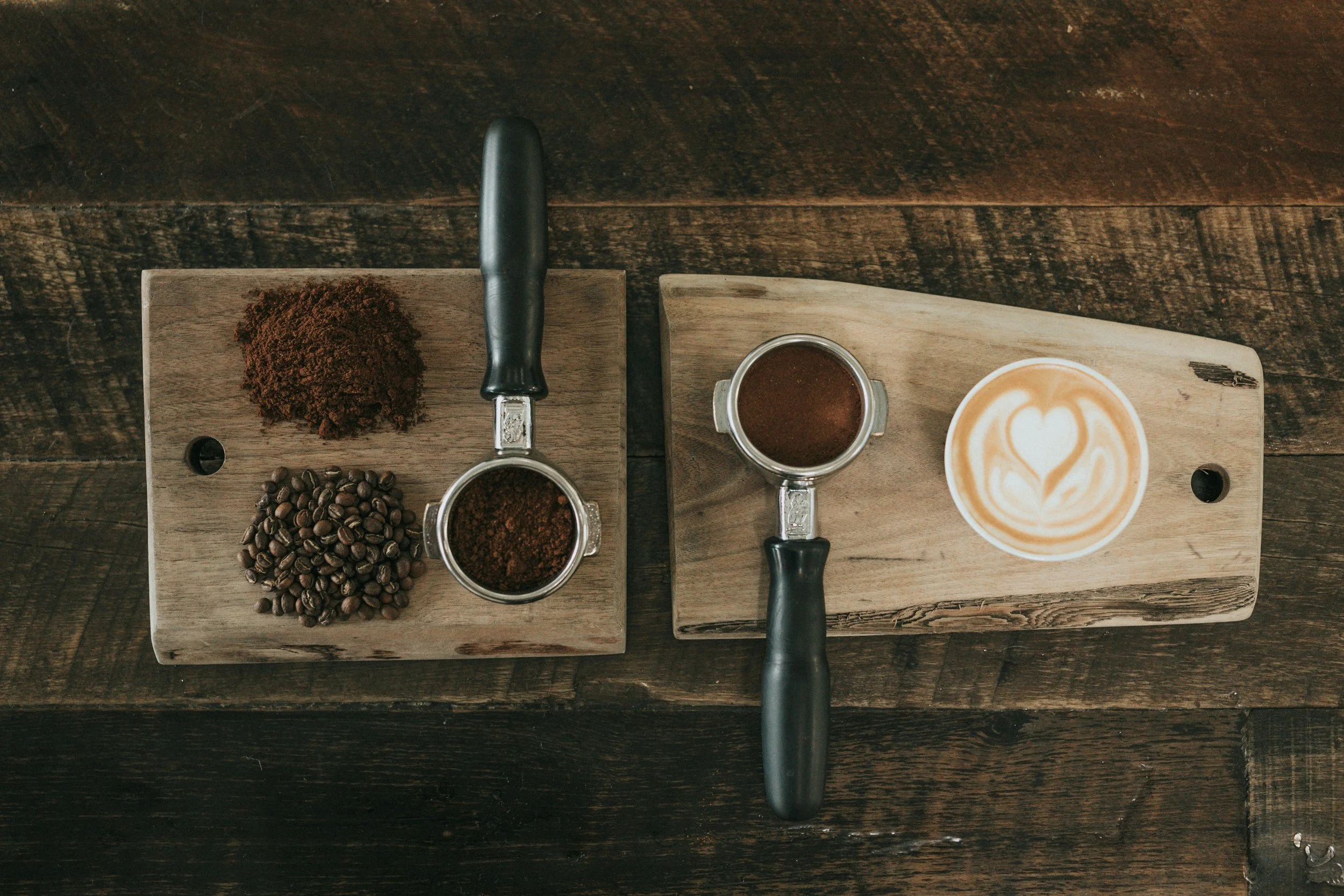
There’s a new star on the global coffee map — Australia’s deep-rooted, die-hard coffee culture. Its international fame surged when Anthony Douglas of Axil Coffee Roasters won the World Barista Championship in 2022. Recently, Jack Simpson (also from Axil) claimed the 2025 Australian Barista Championship, bringing Axil’s total national titles to seven, the most of any coffee company. Clearly, Aussies take their coffee seriously.
To understand how it all began, we need to rewind to the post–World War II era, when waves of Italian and Greek migration gave rise to Australia’s first true espresso culture. Pellegrini’s Espresso Bar, founded in 1954 by Italian brothers Leo and Vildo Pellegrini on Bourke Street in Melbourne, is widely credited as one of the first cafés in the CBD to use a genuine espresso machine.
You can catch the new documentary Pellegrini’s: A Melbourne Legacy, created by filmmaker (and longtime patron) Frank Lotito, from 4 December 2025. See national cinema listings here.
This modest venue and others like it ignited a coffee ritual that spread across the country and evolved to date as the coffee culture we have grown to love.
Migration → Espresso Culture → Brunch → Artisan Roasting → Global Recognition
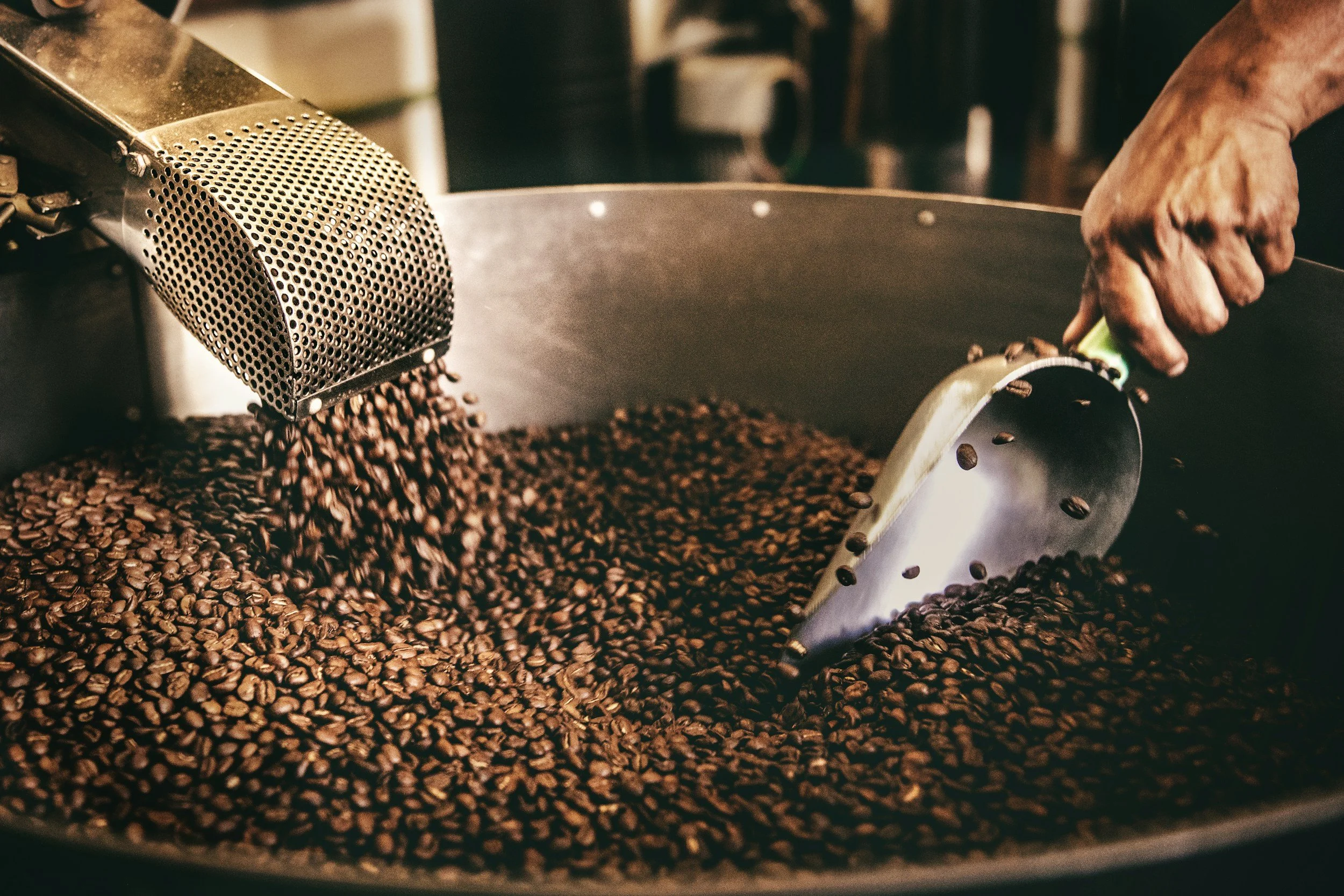
This movement became so ingrained that when Starbucks tried to aggressively expand in Australia in the early 2000s, it struggled to gain traction. That resistance largely comes down to Australia’s already well-developed espresso culture and the way coffee is woven into daily ritual. Australian artisan brands like: Axl Coffee Roasters, St Ali, Proud Mary, Seven Seeds and Market Lane helped shape Australia’s identity as one of the top specialty coffee nations in the world and of course Aussie’s give this refined approach the tick of approval.
I’d also like to make a personal recommendation motivated by a wonderful trip to Italy and due to heightened inspiration, I then continued my new found espresso love affair back in Melbourne at the iconic Brunetti’s. Founded in 1985, Brunetti’s Carlton café features marble mosaics, terrazzo flooring, and old-world Italian charm, all while serving impeccably crafted espresso. So if you find yourself in Melbourne, I highly recommend a coffee crawl, as there are so many top‑tier baristas both historic and rustic artisan cafés worth exploring while in town.
Leading Australian Specialty Coffee Roasters You Need to Know
Axl Coffee Roasters – Known for single-origin beans and seasonal offerings.
St Ali – Melbourne-based pioneer of third-wave coffee in Australia.
Proud Mary – Focused on direct trade and high-quality micro-lots.
Seven Seeds – Iconic Melbourne roaster, renowned for single-origin beans.
Market Lane Coffee – Sustainable, traceable sourcing; small-batch roasting.
Mecca Coffee – Influential Sydney roaster and café with a strong specialty focus.
Artison coffee from origin to global ritual
-
After its beginnings in oral tradition, coffee was regarded as a source of energy as early as the 9th to 11th centuries CE. According to Ethiopian legend, a goat herder named Kaldi noticed that his goats became unusually energetic after eating bright red coffee cherries — revealing what would become one of the world’s most cherished gifts: coffee.
-
From Ethiopia to Yemen, the Sufi monks brewed coffee for long nights of prayer. Yemen became the first major centre of coffee trade (the port of Mocha is where “mocha” gets its name). Coffee grows around the equator in what’s called the coffee belt with key regions including:
Africa: Ethiopia, Kenya, Rwanda
Middle East / Asia: Yemen
Central & South America: Colombia, Brazil, Guatemala
Asia-Pacific: Indonesia, Papua New Guinea, Australia (Queensland & northern New South Wales)
-
From Yemen, it traveled through Red Sea trade routes into the Middle East, reaching cities like Mecca and Cairo. By the 16th century, coffee had arrived in Istanbul, becoming a central feature of Ottoman culture and social life, with coffee houses emerging as hubs for conversation, commerce, and intellectual exchange.
-
Cold brew coffee, as we know it today, has its origins in 17th-century Japan. Dutch traders introduced coffee to the country and in Kyoto, artisans refined this into a slow‑drip style using elegant glass towers, letting water drip through coffee grounds over many hours to produce a smooth, low-acid concentrate. Today, this Kyoto-style technique inspires modern cold brew trends worldwide, blending historical craftsmanship with contemporary coffee culture.
-
Before Italy popularized espresso, coffee was typically slow-brewed, boiled, or filtered. In 1884, Angelo Moriondo patented the first espresso machine, and in 1901, Luigi Bezzera refined it into the pressure-based espresso we recognize today. Italy not only gave birth to the espresso machine, barista culture, and strict coffee traditions (like no cappuccino after 11 a.m.) but also passed on this gift to the world, shaping global coffee culture.
-
Brazil’s rise as the world’s largest coffee producer began in the 18th century, when Portuguese settlers cultivated coffee in the fertile regions of Minas Gerais, São Paulo, and Rio de Janeiro. Favorable climate, vast plantations, and innovations in cultivation and processing helped Brazil dominate global coffee production. Today, the country produces roughly a third of the world’s coffee, making it a cornerstone of the global coffee industry and a key player in shaping coffee culture worldwide.
-
In the U.S. coffee culture took off in the 20th century with innovations like Dr. John S. Hall’s automatic percolator in 1901. In 1919, the first U.S. coffeehouse dedicated to espresso opened in Greenwich Village, introducing Italians’ rich espresso culture to Americans. Later, NYC became a center for specialty coffee and third-wave cafés, with iconic roasters and cafés like Stumptown, Joe Coffee, and Birch Coffee helping to popularize artisanal brewing, single-origin beans, and espresso-based drinks across the country.
-
In 1908, German entrepreneur Melitta Bentz revolutionized coffee brewing by inventing the paper filter. Frustrated with bitter, gritty coffee, she used blotting paper from her son’s school notebook to create a filter that separated grounds from the brew, producing a cleaner, smoother cup. This innovation not only transformed home brewing but also laid the foundation for modern drip coffee methods used worldwide today.
-
In the early 2000s, Australia emerged as a global leader in direct-trade beans, single-origin roasts, latte art, and barista competitions. Popular coffee styles include the Flat White, Australian-style Latte, Cappuccino with chocolate dusting, and the Magic—a Melbourne specialty featuring a double ristretto topped with textured milk. If visiting Melbourne, Australia, why not book into a Laneways Cafe Crawl: The Ultimate Melbourne Coffee Tour.